What the anion gap shows
The anion gap is a practical way to understand acid-base balance using routine electrolytes from a blood test. It contrasts the major measured cations and anions, especially sodium, chloride, and bicarbonate. In plain terms, the result helps suggest whether there are surplus unmeasured anions or other shifts in the body’s chemistry that point toward a specific acid-base disorder.
Clinicians often use the anion gap as a screening tool, not a final diagnosis. A high value can point to metabolic acidosis from causes such as lactic acidosis or ketoacidosis, but the number alone does not provide the full story. Likewise, a normal value does not always mean the blood chemistry is normal. The key is clinical interpretation, which requires looking at the full electrolyte panel, the patient’s symptoms, and the broader diagnostic reasoning process.
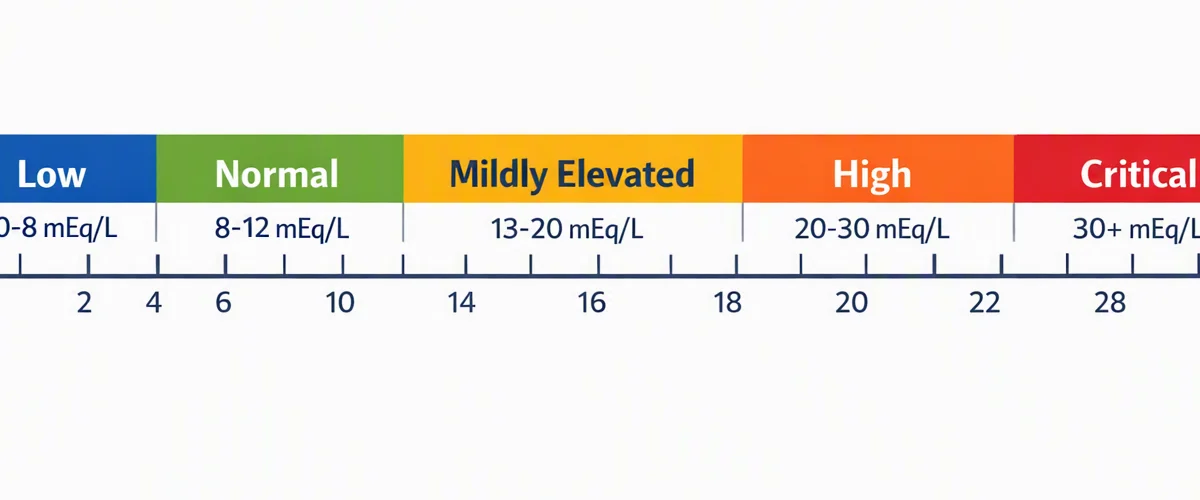
Another important point is that the calculation reflects the relationship between measured ions and the body’s unmeasured cations and anions. Because the result is indirect, small shifts in serum electrolytes can change the apparent gap. That makes the anion gap valuable, but also easy to misread if you view it as a standalone number instead of a clue in a larger differential diagnosis.
How to apply an Anion Gap Calculator correctly
An Anion Gap Calculator is especially useful when it is handled with the same attention you would use for any other lab-based decision tool. The calculator typically relies on a serum chemistry panel and may use potassium or exclude it depending on the method. Since the formula can vary, the first step is to know exactly which inputs the calculator expects and whether it follows the approach used by your lab.
Before entering numbers, verify the values for sodium, chloride, and bicarbonate. If the calculator includes potassium, understand that this can slightly affect the result and may affect comparison with a lab-reported reference value. The point is not just to produce an anion gap calculation, but to generate a result that fits the relevant normal range and the patient’s laboratory results.
If applied appropriately, the calculator helps identify a high anion gap pattern, helps detect metabolic derangement, and informs next steps in clinical interpretation. When handled poorly, it can create false reassurance or false alarm. A good habit anion gap formula is to pair the calculator result with the full blood chemistry, including the patient’s history, medications, and concurrent acid-base data.
Error 1: Not correcting for albumin
One of the most common reading mistakes is forgetting that albumin is a key contributor to the anion gap. When hypoalbuminemia is present, the measured gap may seem normal at first even when there is a genuine acid-base problem. This happens because albumin functions as an key unmeasured anion, so low levels reduce the baseline gap.
For that reason albumin correction matters. A corrected anion gap or albumin-adjusted gap can uncover hidden metabolic abnormalities that a raw number overlooks. If the albumin is low, the apparent normal result should not end the evaluation. Instead, it should prompt you to ask whether the corrected value suggests a metabolic acidosis or other problem.
A further concern is that albumin-related changes can be mistaken for a reassuring result when total protein is not considered. Total protein does not replace albumin correction, but it can offer context about the patient’s broader nutritional, hepatic, or inflammatory state. The main lesson is that a “normal” anion gap in the setting of hypoalbuminemia is not always truly normal.
Issue 2: Ignoring between-labs variation
Each lab reports the same reference range for the anion gap. Variations in assay method, sample processing, and instrument calibration can alter the result. This is why laboratory variation so important: a number that looks abnormal in one system may be reasonable in another.
A frequent source of variation comes from the ion-selective electrode used to measure chloride and other electrolytes. Because the gap is derived from measured components, a small analytic difference can alter the final calculation. That means you should compare the result with the specific lab’s stated range rather than rely on a generic cutoff recalled from a textbook.
That same issue also affects follow-up testing. If you are monitoring results over time, ensure the same lab or the same methodology is being used whenever possible. If not, you may mistake laboratory variation for a true change in the patient’s metabolic state. Good interpretation depends on anion gap clinical significance understanding that the anion gap is partly a function of the platform, not just the patient.
Trap 3: Missing combined acid-base disorders
One important error is believing that one abnormal number tells the whole picture. Patients can have mixed acid-base imbalances, where multiple processes is happening at once. As an example, a patient may have acid buildup from lactic acid buildup and simultaneously have respiratory alkalosis from sepsis, pain, or anxiety.
This is the point at which the delta gap and delta-delta calculations become helpful. These calculations help compare the rise in the anion gap with the fall in bicarbonate. If the changes do not match as expected, there may be an additional acid-base process concealed beneath the obvious one. That kind of mismatch can reveal a mixed disorder that would otherwise be overlooked.
For instance, a patient with a high anion gap from lactic acid buildup may also have a concurrent metabolic alkalosis from vomiting. Or someone with diabetic acidosis may have an additional respiratory abnormality. The lesson is to avoid using the anion gap as a binary label. Rather, use it as part of a broader clinical reasoning strategy that accounts for overlapping disorders.
Error 4: Ignoring a normal anion gap acidosis
Not every clinically important acidosis produces a high value. A patient may have normal anion gap acidosis, also called hyperchloremic acidosis, where bicarbonate decreases but chloride rises to maintain electroneutrality. In this context, the anion gap may persist within the expected range even though the patient still has a significant acid-base problem.
Typical causes include diarrhea, which causes bicarbonate loss from the gastrointestinal tract, and renal tubular acidosis, where the kidneys are unable to acidify urine appropriately. These conditions are often overlooked when clinicians focus only on high-gap disorders. That can delay treatment and lead to a false sense that the metabolic profile is not concerning.
The key point is straightforward: a normal value does not rule out acid-base pathology. If symptoms, history, or the electrolyte pattern suggest a problem, keep investigating. Looking at chloride trends, bicarbonate level, and the overall metabolic panel can help separate hyperchloremic acidosis from other disturbances.
Error 5: Overlooking unmeasured cations and toxins
The anion gap can also be affected by unexpected substances in the blood. Certain unmeasured cations, such as lithium, can diminish or mask the gap by shifting the balance of charged particles. In other cases, toxins cause a high anion gap because they produce acid or impair normal metabolism.
Toxic alcohols are a classic cause. They can result in severe metabolic derangement and may present with an elevated gap before the diagnosis is obvious from history alone. Salicylates are another important ingestion because they can produce complex acid-base findings, sometimes with an early respiratory component and later metabolic acidosis. This is why toxicologic causes should stay on the differential when the gap and clinical picture do not match neatly.
Do not assume that all high-gap states are due only to lactate or ketones. When the numbers do not fit, check the medication list, ingestion history, and mental status carefully. Recognizing unmeasured cations and toxins early can be lifesaving and prevents reliance in a single lab-based explanation.
How to interpret the outcome within clinical context
A result for the anion gap should always be interpreted alongside the entire clinical picture, not in isolation. In other words, it means reviewing the arterial blood gas, the patient’s symptoms, vital signs, medication exposure, and the full clinical context. A number that looks important on paper may be expected for that patient’s condition, while a subtle abnormality may be the first sign of a serious problem.
In practice, it helps to ask what the body is trying to tell you. Is there a sign of lactate elevation from poor perfusion, infection, or hypoxia? Are there ketones from insulin deficiency, starvation, or alcohol-related illness? Does the blood gas confirm a primary acid-base disturbance, or is compensation making the picture more complex?
Good interpretation uses the anion gap as one piece of a broader assessment. The calculator can quickly flag patterns, but the final answer depends on patient-specific data and the direction of the clinical interpretation. If the result does not fit the story, recheck the sample, review the calculation, and revisit the differential diagnosis.
Common questions about anion gap interpretation
Interpreting the anion gap well requires more than memorizing a formula. It involves understanding acid-base balance, recognizing when a metabolic panel is incomplete, and knowing when to widen the diagnostic approach. The sections below address the most common questions clinicians and students ask when using an Anion Gap Calculator.
What error is most common when interpreting the anion gap?
The most common mistake is treating the number as definitive without considering albumin, the lab’s method, and the broader clinical picture. A raw anion gap can be misleading when hypoalbuminemia is present or when there is significant laboratory variation. Another frequent error is failing to recognize that a normal value does not rule out disease, especially in normal anion gap acidosis.
Why do low albumin alter the anion gap?
Albumin is a key unmeasured anion. If albumin levels are low, the baseline gap falls, which can hide an elevated gap from another process. That is why albumin correction is critical. If you do not correct for it, a patient with a real metabolic problem may appear to have a typical result even when the corrected number is abnormal.
Can a normal anion gap indicate a serious acid-base disorder?
Yes. A normal value can occur in hyperchloremic acidosis, renal tubular acidosis, or diarrhea-related bicarbonate loss. All of these are meaningful disorders even though the gap is not elevated. A normal result should prompt you to assess chloride, bicarbonate, symptoms, and the entire electrolyte panel.
In what way do mixed acid-base disorders affect anion gap interpretation?
Mixed acid-base disorders can make the lab pattern seem inconsistent. For example, a patient may have a high-gap process such as lactic acidosis or ketoacidosis plus a separate process like respiratory alkalosis. The delta gap and delta-delta help identify whether the bicarbonate change matches the gap change, which can reveal a hidden second disorder.
When should toxins or unmeasured cations be considered?
Include them whenever the pattern does not fit common causes or the clinical story suggests exposure. Lithium can alter the calculation through unmeasured cations, while toxic alcohols and salicylates can cause dangerous metabolic disturbances. If the anion gap is unexplained, especially in an acutely ill patient, toxin exposure should be kept on the differential diagnosis.